Guide
Shine Like New: Why Ceramic Coating Is a Game-Changer for Your Vehicle
Most detailing products sit on top of your paint and wash away. Ceramic coating bonds to the surface at a molecular level — which means it doesn’t wash off, doesn’t wipe off, and doesn’t need to be reapplied every few months. Here’s what that actually means for your car or boat.
The Science Behind Ceramic Coating Protection
Ceramic coating is a liquid polymer — typically silicon dioxide (SiO₂) derived from quartz — that chemically bonds to your vehicle’s clear coat when applied. Once cured, it forms a hard, semi-permanent layer that becomes part of the surface rather than sitting on top of it.
That bond is what separates ceramic coating from wax or sealant. Wax fills in microscopic surface imperfections and adds a temporary layer of protection. Ceramic coating doesn’t fill — it fuses. The result is a surface that’s harder, more hydrophobic, and far more resistant to the things that degrade paint over time: UV radiation, acid rain, bird droppings, road salt, and industrial fallout.
The hardness is measured on the pencil hardness scale. A properly applied professional-grade ceramic coating typically rates between 9H and 10H — harder than the clear coat underneath it. That’s not scratch-proof, but it means light swirls and surface contamination that would normally mar your paint are deflected or sit on top of the coating instead.
Top 5 Benefits of Ceramic Coating for Cars and Boats
Long-Term Paint Protection
A quality ceramic coating lasts two to five years with proper maintenance — some professional-grade products longer. Compare that to a wax job that needs to be redone every few months. The coating acts as a sacrificial layer, taking the abuse of UV exposure, road debris, and environmental contaminants so your paint doesn’t have to.
Resistance to Contaminants
Bird droppings, tree sap, bug splatter, and industrial fallout are acidic. Left on unprotected paint, they etch into the clear coat within hours on a hot day. Ceramic coating’s chemical resistance means these contaminants sit on the surface rather than bonding to it — giving you time to clean them off before damage occurs.
Easier Cleaning
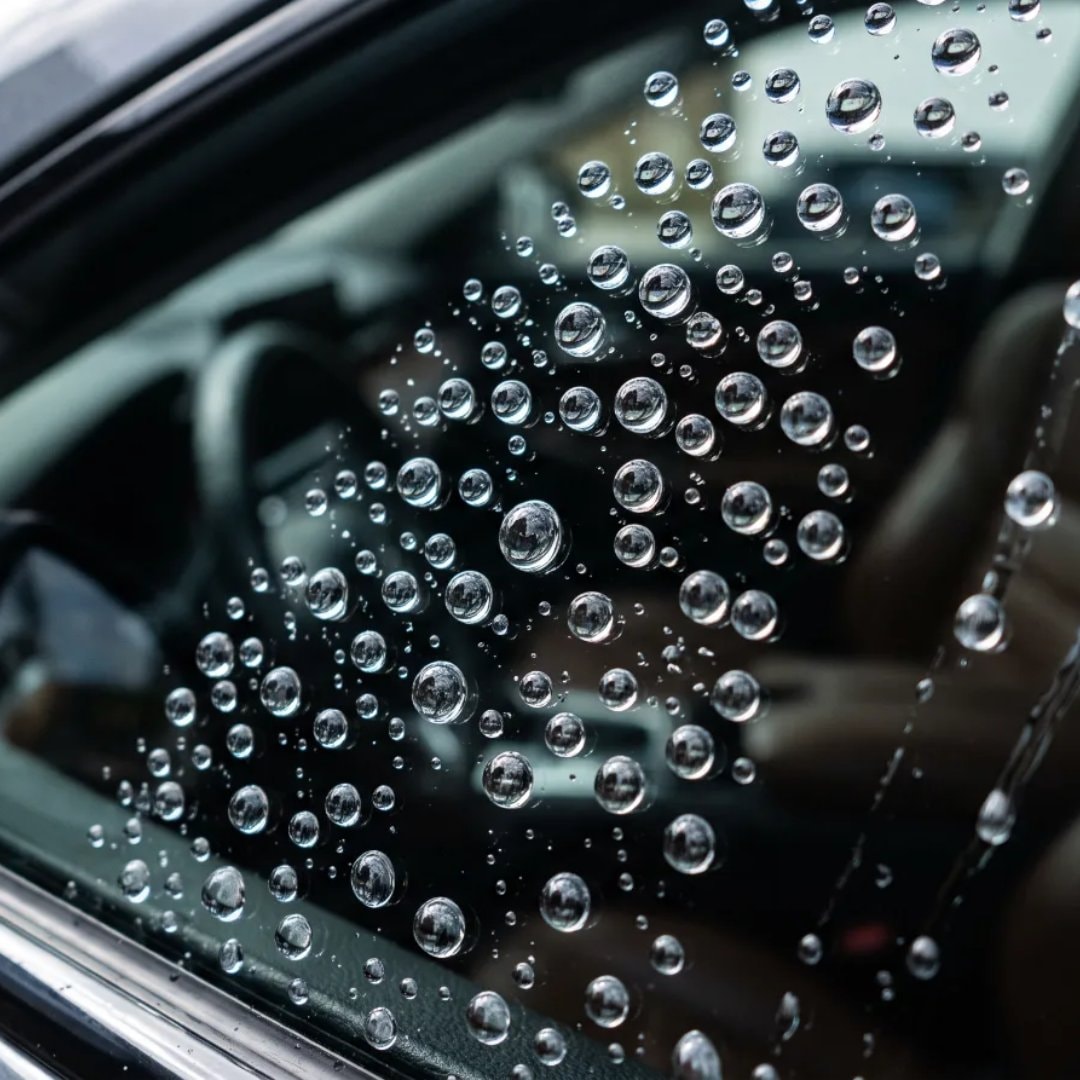
The hydrophobic surface created by ceramic coating causes water to bead and sheet off rather than sitting on the paint. Dirt and grime have a much harder time bonding to the surface, which means your car or boat stays cleaner longer and washes faster when you do clean it. A two-bucket wash takes half the effort it used to.
Water and Stain Repellency
Water spots form when mineral-laden water evaporates and leaves deposits behind. On a ceramic-coated surface, water beads and rolls off before it has a chance to evaporate. The same applies to boats — waterline staining, dock scum, and algae have a much harder time bonding to a coated hull than to bare gelcoat or unprotected paint.
Lasting Gloss
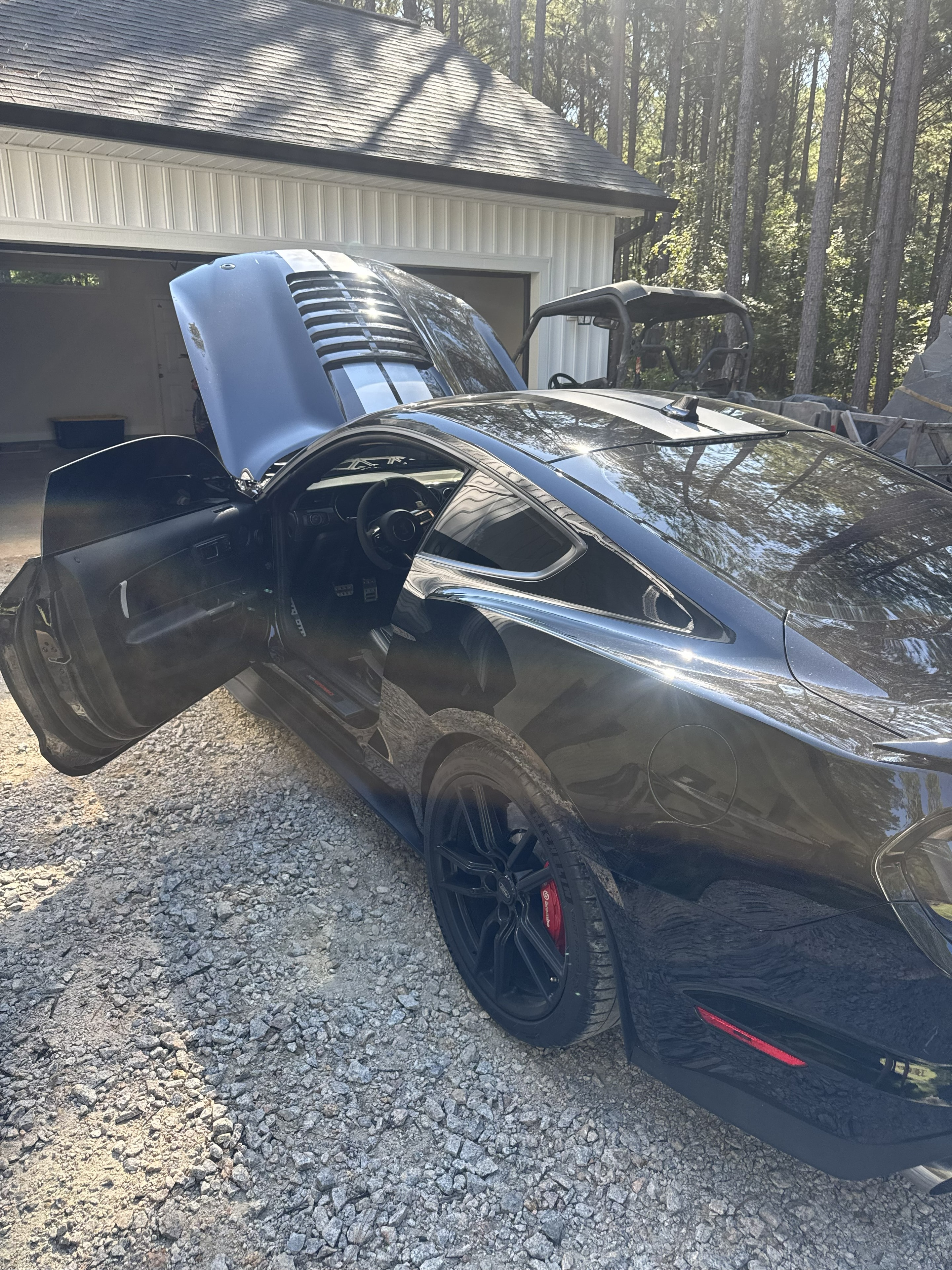
Ceramic coating doesn’t just protect — it enhances. The hard, flat surface reflects light more uniformly than paint alone, which produces a deeper, wetter-looking gloss. On a dark-colored vehicle or a freshly corrected hull, the difference is immediate and obvious. That gloss doesn’t dull over time the way wax does.
Ceramic Coating, in the Field
Your Ceramic Coating Questions, Answered
Does ceramic coating prevent scratches?
No — and anyone who tells you otherwise is overselling it. Ceramic coating is harder than your clear coat, which means it resists light swirls and surface marring better than unprotected paint. But it won’t stop a key scratch, a rock chip, or a parking lot door ding. Think of it as a shield against the slow, cumulative damage that degrades paint over years — not armor against physical impact.
How long does ceramic coating last?
A professionally applied coating on a properly prepared surface typically lasts two to five years. The range depends on how the vehicle is maintained, how often it’s exposed to harsh conditions, and whether the surface was fully corrected before application. Coatings applied over contaminated or swirled paint fail faster because they’re bonding to a compromised surface.
Does the paint need to be corrected first?
Yes, if there are swirls, haze, or oxidation present. Ceramic coating is transparent — it locks in whatever is underneath it. If you coat over swirled paint, you’ve permanently sealed those swirls under a hard layer. Correction first, coating second. That’s the right order, and it’s the only order we do it.
Can ceramic coating be applied to boats?
Yes, and it works exceptionally well on marine surfaces. Gelcoat, aluminum toons, fiberglass hulls, and even glass windshields all benefit from ceramic protection. The marine environment — UV, salt, algae, waterline staining — is harder on surfaces than most automotive conditions. A coated hull stays cleaner, resists oxidation longer, and is significantly easier to maintain.
What’s the difference between ceramic coating and paint protection film?
Paint protection film (PPF) is a thick, clear urethane film that physically absorbs impact — it can self-heal light scratches and stops rock chips. Ceramic coating is a chemical bond that adds hardness and hydrophobicity but has no physical thickness to speak of. PPF is better for high-impact areas like the front bumper and hood leading edge. Ceramic coating is better for full-vehicle or full-hull protection where you want long-term gloss and contamination resistance without the cost of full PPF coverage.
Why Ceramic Coating Is a Long-Term Win for Your Vehicle or Boat
The math is straightforward. A professional ceramic coating costs more upfront than a wax job. But it lasts years instead of months, it protects against the kind of slow surface degradation that’s expensive to correct later, and it makes every wash faster and easier for as long as it’s on the vehicle. For anyone who cares about how their car or boat looks — and wants to keep it looking that way without constant upkeep — ceramic coating is the right call. If you’re not sure whether your vehicle is a good candidate, text us a few photos. We’ll tell you exactly what it needs.